Video Game Review: Crimson Desert
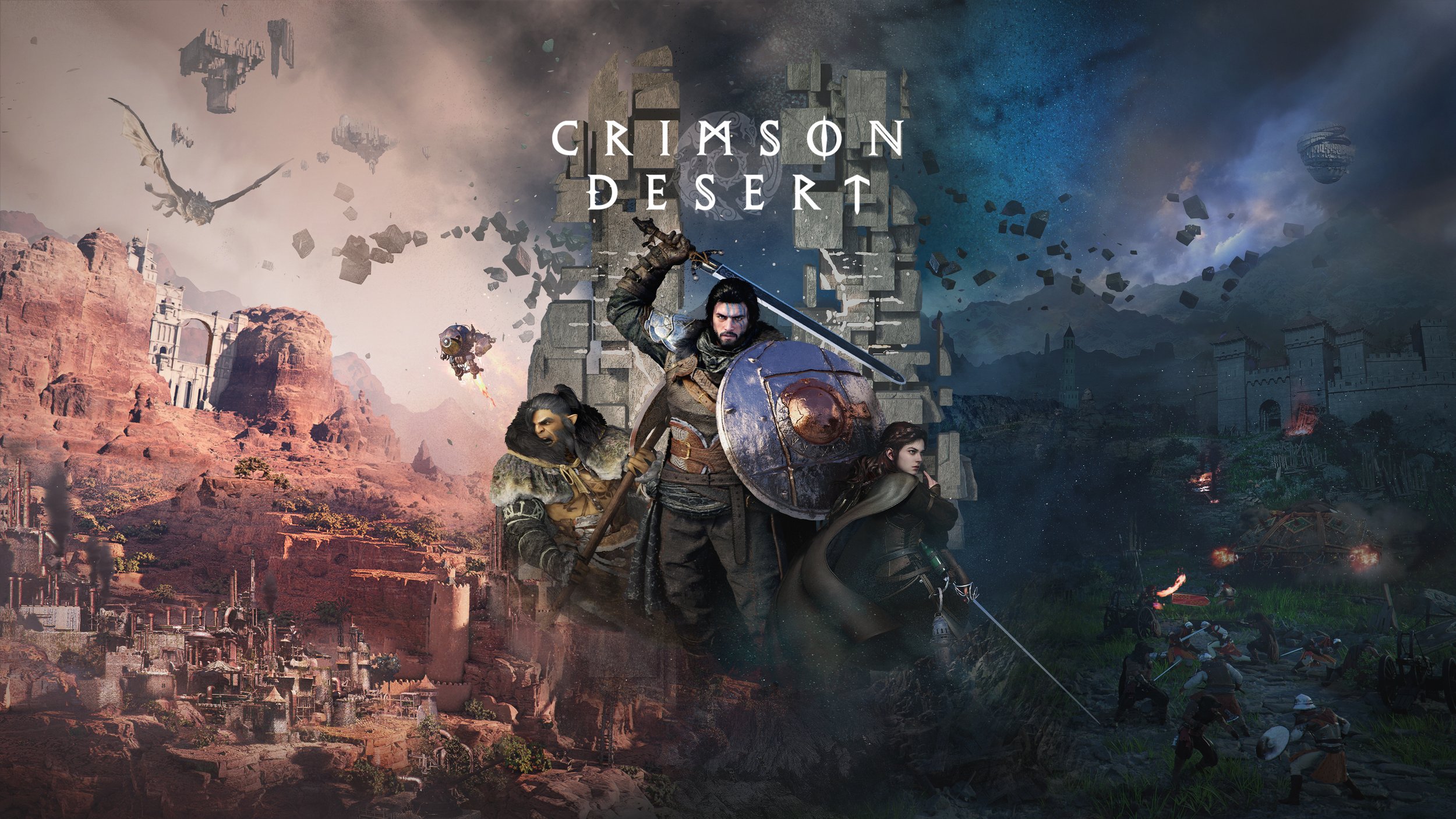
Crimson Desert is one of those rare releases that feels unapologetically ambitious. It does not chase accessibility at every turn or dilute its systems for mass appeal. Instead, it leans hard into depth, immersion, and player investment. The result is a game that has sparked clear division across the gaming community, but for those willing to meet it on its own terms, it delivers something genuinely special.
The first thing that stands out is the world. It is vast, detailed, and convincingly alive. From sprawling landscapes to densely layered settlements, everything feels handcrafted with intent. There is a sense that the world exists beyond the player, with systems and interactions constantly unfolding whether you are present or not. Visually, it is exceptional. Lighting, environmental detail, and animation all combine to create moments that feel cinematic without losing interactivity. It is a world you want to explore simply to see what is over the next ridge.
Combat is where Crimson Desert truly distinguishes itself. It is deep, frenetic, and highly expressive. There is a wide array of moves, combinations, and approaches available, allowing players to develop their own style rather than follow a prescribed path. Encounters feel dynamic and often chaotic in the best possible way. Mastery takes time, but the payoff is substantial. When everything clicks, the combat system feels fluid and powerful.
The game is also packed with content. There is no shortage of things to do, and much of it ties into a complex web of systems that interlock in interesting ways. Progression, exploration, and interaction all feed into one another, creating a loop that rewards curiosity and experimentation. The narrative itself is intriguing, offering strong ideas and compelling moments, even if its delivery occasionally lacks cohesion.
That said, Crimson Desert is not without its challenges. Boss battles can be demanding, requiring patience, precision, and a willingness to learn patterns in a way reminiscent of Elden Ring. For some, this will be a highlight. For others, it may feel punishing. The game offers very little in the way of hand-holding, which again will appeal to players who enjoy figuring things out independently, but may frustrate those expecting clearer guidance.
The story, while interesting, can feel scattered at times, with pacing and structure occasionally working against it. There are also moments where the game leans into grind, particularly when engaging with certain progression systems. Puzzle design is another area that may divide opinion. Some are clever and rewarding, but others can feel overly obtuse, breaking the flow rather than enhancing it.
These elements contribute to the broader split in reception. Crimson Desert feels very much like a game built with an older design philosophy in mind. It expects commitment. It asks players to invest time into understanding its systems, mechanics, and world. For those who grew up with games that prioritised discovery and mastery over accessibility, this will feel refreshing. For newer players, it may feel unnecessarily demanding.
Ultimately, Crimson Desert is not trying to be everything to everyone. It is a dense, demanding, and richly constructed experience that rewards effort with depth and satisfaction. If you are willing to invest in it, to learn its systems and grow with your character, there is a remarkable game here. It may frustrate at times, but it never feels shallow, and that alone sets it apart in a crowded market.
I give it a solid 8/10 (so far, it’s a huge game!)