Movie Review: Project Hail Mary
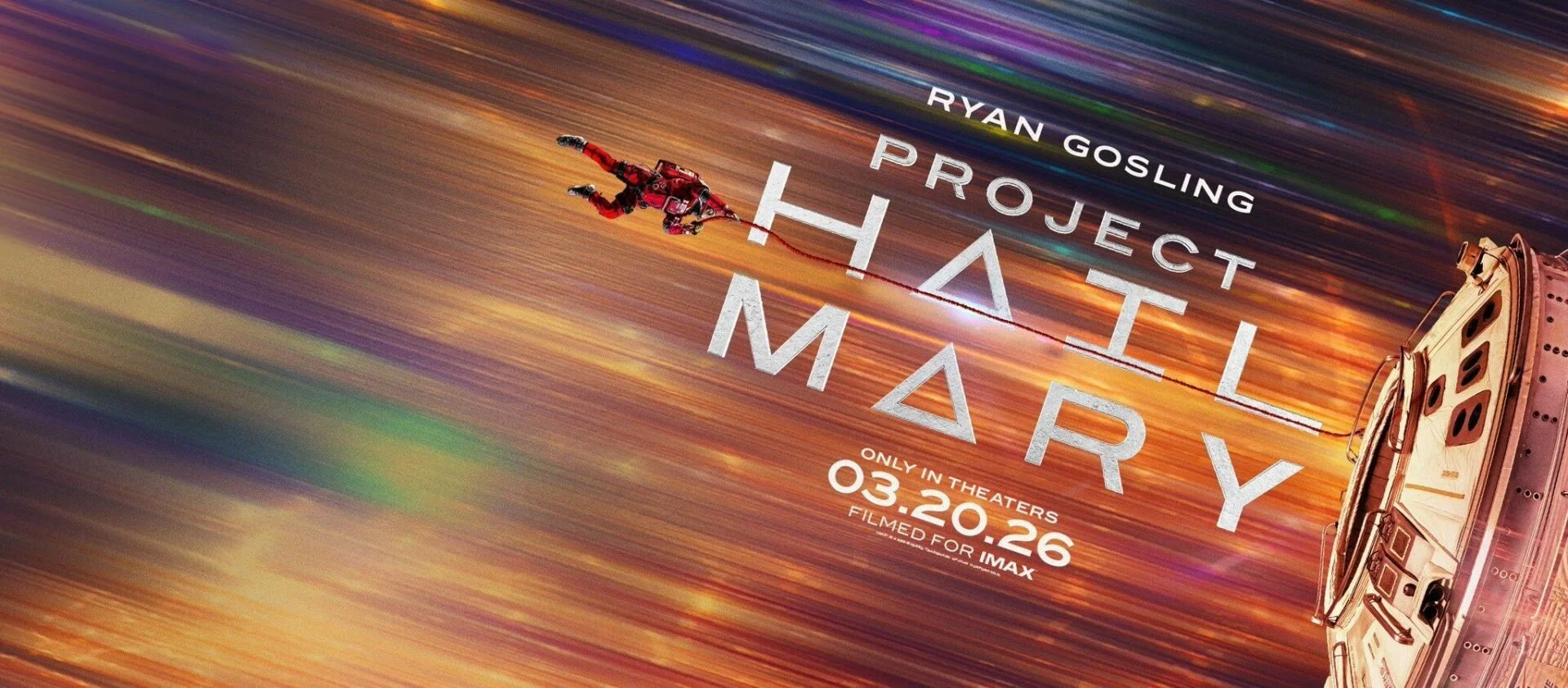
Project Hail Mary arrives with a weight of expectation that could have crushed a lesser adaptation. Andy Weir’s novel is beloved for its blend of hard science, humour, and deeply human storytelling. Under the stewardship of Ryan Gosling in the lead role, the film not only meets that expectation, it exceeds it in ways that feel both respectful and refreshingly cinematic.
From the outset, this is a remarkably faithful adaptation. The structure, tone, and core narrative beats remain intact, preserving what made the book so compelling. There are, as expected, a handful of changes. Most are minor adjustments that streamline the pacing or translate internal monologue into visual storytelling. There is one more significant alteration, but crucially it never betrays the spirit of the original. It feels considered rather than indulgent, serving the medium without undermining the story.
Gosling delivers one of his strongest performances in years. He captures the awkward intelligence, vulnerability, and quiet resilience of the protagonist with precision. There is a natural charm to his portrayal that grounds the film, ensuring that even at its most technical, the story remains accessible and emotionally engaging.
However, the standout element is unquestionably Rocky. Fans of the book will have approached this character with a mix of excitement and apprehension, but any concern evaporates almost immediately. The depiction is exceptional. Every choice, from design to communication, feels right. More importantly, the relationship between Rocky and Gosling’s character is handled with care and authenticity. It is the emotional backbone of the film, and it lands with real impact.
What elevates Project Hail Mary beyond a strong adaptation is its tone. In an era where science fiction often leans heavily into dystopia and despair, this film chooses something different. It is hopeful without being naïve, optimistic without sacrificing tension. It reminds you why the genre can be inspiring as well as cautionary. There is a sense of wonder here that feels increasingly rare.
Visually, the film strikes a balance between spectacle and clarity. The science is never dumbed down, but it is communicated in a way that feels engaging rather than overwhelming. The direction keeps the focus on character and stakes, ensuring the film never drifts into cold abstraction.
Ultimately, Project Hail Mary is exactly the kind of science fiction we need more of. It has heart, intelligence, and a genuine belief in human ingenuity and cooperation. It respects its source material while embracing what cinema can uniquely offer.
If this is the benchmark for adapting modern sci-fi, then the future of the genre on screen looks far brighter than many recent entries would suggest.
An easy 9/10 for me.