TV Review: Daredevil Born Again season 2
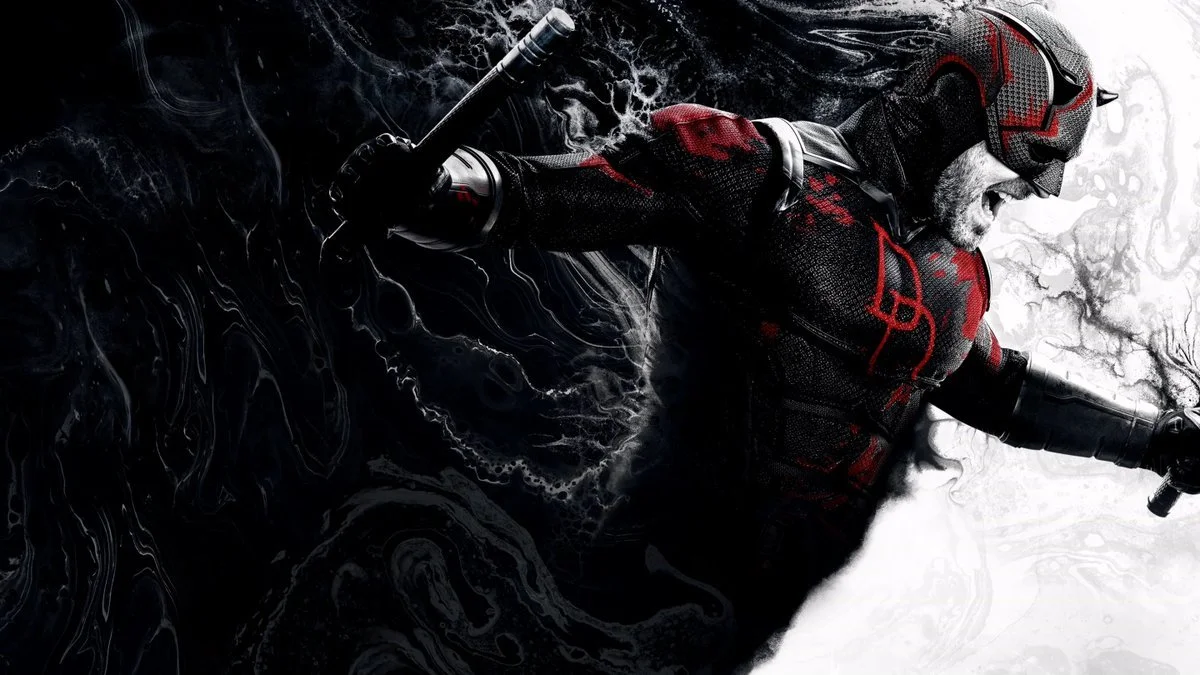
Daredevil: Born Again season 2 feels like a course correction after a shaky first outing. It is still nowhere close to the heights of the original Netflix era, but there is at least a stronger sense of identity this time around. The pacing is tighter, the action hits harder, and the show finally remembers that people came here to watch brutal street-level conflict rather than endless political grandstanding and meandering side plots.
The biggest improvement is easily Wilson Fisk. Wilson Fisk is more menacing here than he was in season 1, and the series benefits massively whenever he is on screen. Vincent D’Onofrio once again proves why his version of Fisk remains one of Marvel’s strongest live-action villains. There is a constant sense of pressure around him, and even simple conversations carry tension. The show finally leans back into making him feel dangerous rather than just politically frustrated.
Bullseye also steals every scene he appears in. Bullseye brings the kind of chaos and violence the series desperately needed. His action scenes are some of the best in the season and remind viewers just how effective this corner of Marvel can be when it embraces gritty combat and psychological instability instead of trying to force broader MCU-style messaging into every episode.
The fight choreography overall is solid. It is more brutal and kinetic than season 1, with several sequences that genuinely feel worthy of the Daredevil name again. When the series focuses on Matt navigating corruption, violence, and impossible moral choices, it works.
Unfortunately, the problems have not disappeared. A lot of the supporting cast remains forgettable, with several characters feeling more like vehicles for exposition or ideological talking points than actual people. Entire subplots drift in and out without much impact, making parts of the season feel bloated despite the improved pacing.
The anti-ICE narrative is also handled with all the subtlety of a car crash. Rather than weaving themes naturally into the story, the show often stops dead to lecture the audience. Marvel has always had political themes baked into its DNA, but the best stories integrate them through character and consequence. Here it frequently feels forced and heavy-handed.
Then there are the baffling plot decisions. Fisk openly escalating into outright mass murder and somehow effectively getting away with it stretches credibility even within comic book logic. The series wants him to be terrifying and untouchable, but some of the outcomes become so absurd that it undermines the tension rather than enhancing it.
It also once again highlights the problem with the classic superhero “no kill” rule. Characters like Daredevil and even Batman are framed as morally superior for refusing to cross that line, yet the endless cycle of villains escaping and continuing to hurt innocent people makes the ideology look increasingly hollow. The show unintentionally raises the question of whether that moral code actually protects people or simply prolongs suffering.
Overall, season 2 is definitely an improvement. It is darker, more focused, and far more entertaining than season 1, but it still lacks the raw intensity, atmosphere, and emotional weight that made the original Netflix Daredevil such a standout superhero series.
7/10. Better than season 1, but still far from peak Daredevil.