TV Review: Fallout Season two
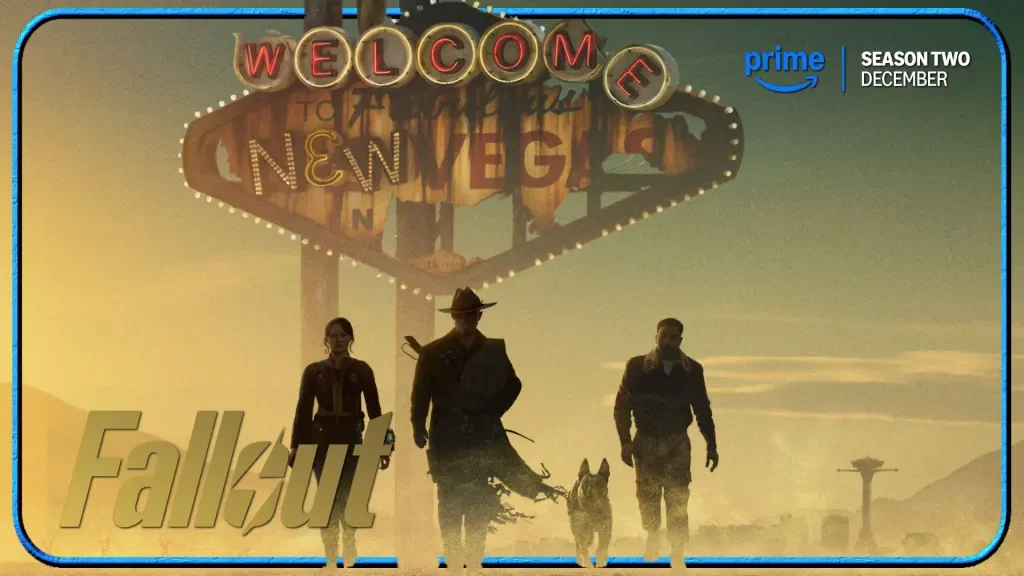
Season 2 of Fallout builds confidently on the foundations laid by its debut, delivering a series that feels far more assured in its worldbuilding, pacing, and tone. Where season one proved the show could translate Bethesda’s iconic universe to television, season two leans into that confidence and starts asking bigger questions about power, legacy, and survival in the post-apocalyptic West.
The standout achievement this season is the production design. The visual language feels like a near-perfect homage to Fallout: New Vegas, from the sun-bleached settlements to the unmistakable factions carving up the Mojave. Locations feel lived-in, grubby, and dangerous, but never generic. Every set tells a story, whether it is a ruined highway outpost or a Brotherhood stronghold bristling with tension. It captures the distinct personality of the games without ever feeling like cosplay.
Narratively, the season keeps a tight grip on momentum. The plot consistently nudges you forward, with each episode expanding the world or deepening character arcs rather than spinning its wheels. There are no obvious filler episodes here. Even quieter instalments serve a purpose, either by raising the stakes or reframing what we thought we understood about certain factions. The result is a season that is easy to binge and genuinely hard to step away from.
Tonally, Fallout continues to strike that difficult balance between bleakness and absurdity. The humour lands well, often emerging organically from character interactions rather than forced gags. Action scenes are punchy and well-choreographed, making good use of practical effects and brutal close-quarters combat. When violence erupts, it feels sudden and consequential, as it should in this world.
That said, season two is not without its flaws. The vault storyline, while interesting in concept, does drag at points. It feels like groundwork is being laid rather than immediate payoff delivered, though there is a strong sense this will matter greatly in season three. Similarly, the Legion’s presence feels underdeveloped. They loom large as a threat, but the show could have benefited from spending more time exploring their ideology and internal dynamics to give them greater narrative weight.
The Brotherhood of Steel, on the other hand, remains endlessly compelling, which only makes their limited screen time more frustrating. The hints of an internal civil war are intriguing, but frustratingly vague. What exactly is happening within the Brotherhood, and how far does the schism go? The lingering question of whether we will see the Brotherhood as portrayed in Fallout 4 adds another layer of anticipation heading into the next season.
Overall, Fallout: Season 2 is a satisfying continuation that resolves key threads while smartly positioning the board for something much bigger. It respects the source material, trusts its audience, and delivers a confident, entertaining ride through the wasteland. If season three delivers on the promises planted here, we could be looking at something truly special.
Score: 8/10